





When life gets busy, finding the time and energy to cook nutritious meals can be a challenge. That’s where meal prepping comes in—a practical way to save time during the week while still enjoying delicious, homemade food. Whether you’re juggling work, school, family, or other commitments, having ready-to-go meals can make your days easier and your diet better.
In this post, we’ll share easy meal prep ideas designed for busy weeks. These tips and recipes require minimal effort but offer maximum convenience and flavor.
Why Meal Prep?
Meal prepping means planning and preparing meals in advance, typically for several days or a full week. It helps you:
– Save time by cooking in batches
– Control portion sizes and ingredients
– Reduce stress around meal decisions
– Avoid last-minute unhealthy food choices
– Save money by minimizing takeout and food waste
Even a little planning and prep can make a big difference in maintaining a balanced diet despite a hectic schedule.
Getting Started: Meal Prep Tips for Beginners
If you’re new to meal prepping, here are a few tips to help you get started successfully:
1. Pick Simple Recipes
Choose recipes with few ingredients and straightforward cooking methods. One-pot dishes, sheet pan meals, and slow cooker recipes are great for saving time.
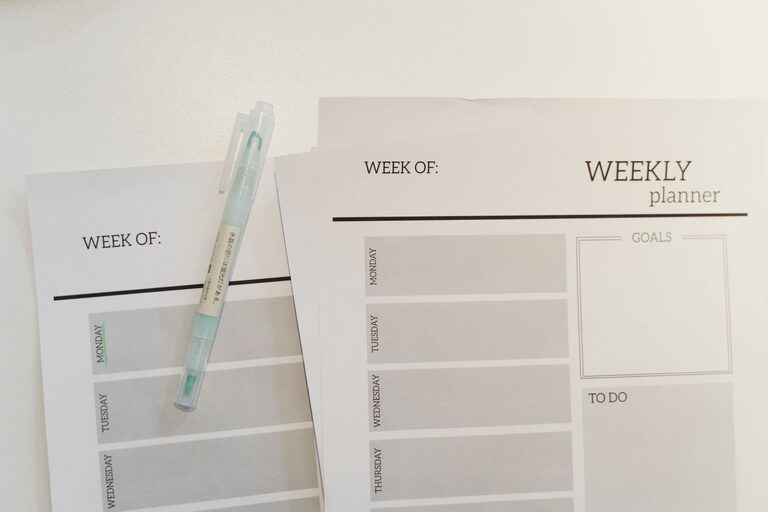
2. Plan Your Menu and Grocery List
Decide on your meals for the week before shopping. This helps avoid impulse buys and ensures you have everything you need.
3. Use Versatile Ingredients
Select ingredients that can be used in different meals, like rice, beans, vegetables, and proteins. This adds variety without extra shopping.
4. Invest in Good Containers
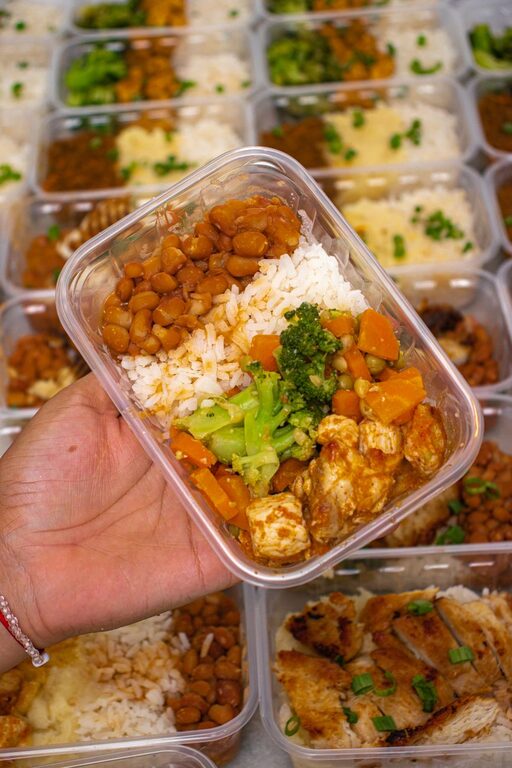
Purchase BPA-free, microwave-safe containers in different sizes to store your meals. Clear containers make it easy to see what’s inside.
5. Schedule Your Prep Time
Set aside a couple of hours once or twice a week to cook. Batch cooking is easier with dedicated prep time.
Easy Meal Prep Ideas for Busy Weeks
Here are some practical meal prep ideas that balance taste, nutrition, and ease of preparation.
Breakfast: Grab-and-Go Options
Starting your day right is easier when breakfast is ready to eat.
– Overnight oats: Mix oats, milk or yogurt, and your favorite fruits or nuts in a jar the night before. Store in the fridge and enjoy cold or warmed.
– Egg muffins: Whisk eggs with vegetables and cheese, pour into muffin tins, and bake. Keep them refrigerated for up to 5 days and reheat quickly.
– Smoothie packs: Pre-portion fruits, greens, and seeds in freezer bags. Blend with your choice of liquid in the morning.
Lunch: Nourishing Bowls and Wraps
Lunch options should be both filling and convenient to reheat or eat cold.
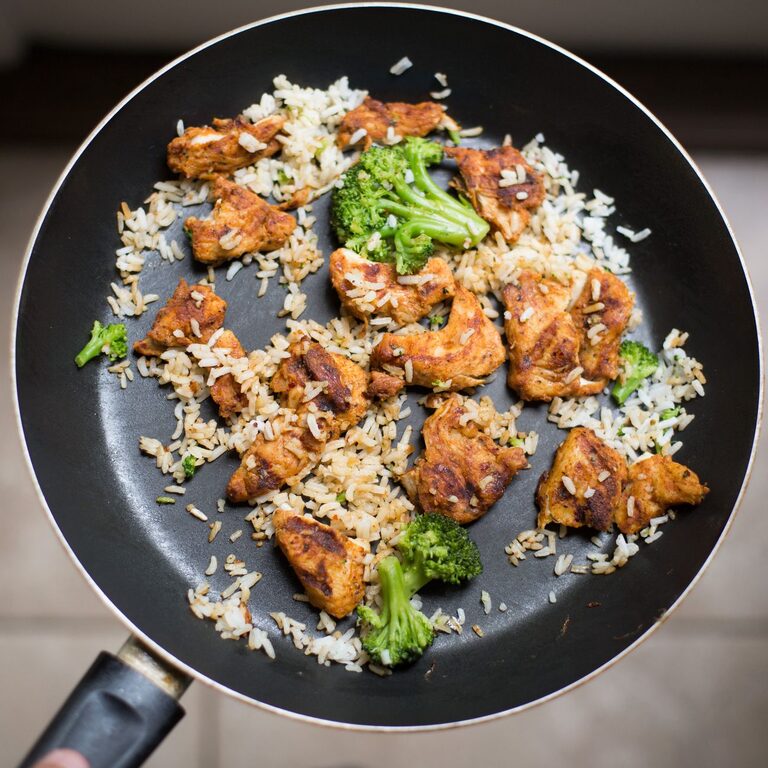
– Grain bowls: Cook a batch of quinoa, brown rice, or couscous and top with roasted vegetables, beans, and a protein like grilled chicken or tofu. Add a simple dressing or sauce.
– Mason jar salads: Layer salad ingredients in jars with dressing at the bottom to keep greens fresh. Shake and serve when ready.
– Wraps and sandwiches: Prepare fillings such as hummus, turkey, veggies, or bean spreads. Assemble wraps fresh each day or prep them a day in advance.
Dinner: One-Pot and Sheet Pan Meals
Dinner is often the busiest time, so simple meals that require minimal cleanup are ideal.
– One-pot pasta: Cook pasta with sauce, veggies, and protein all in one pot for a quick, hearty meal.
– Sheet pan dinners: Arrange protein (chicken, fish, or sausage) and vegetables on a baking sheet, season, and roast. Portion into containers for easy reheating.
– Slow cooker meals: Toss ingredients into a slow cooker in the morning and come home to a ready meal like chili, stew, or curry.
Snacks: Healthy Bites
Having snacks ready helps avoid high-calorie, processed options.
– Veggie sticks and hummus: Pre-cut carrots, cucumbers, and bell peppers. Portion hummus into small containers.
– Energy balls: Blend dates, nuts, oats, and a touch of honey; roll into bite-sized balls and refrigerate.
– Yogurt parfaits: Layer yogurt with granola and berries in small jars.
Additional Tips to Make Meal Prep Easier
– Double recipes: Cook extra portions when you have time and freeze them for future busy days.
– Use pre-chopped or frozen veggies: These save time without sacrificing nutrition.
– Label your meals: Add dates and contents to avoid confusion.
– Stay flexible: It’s okay to switch meals around or supplement with fresh ingredients.
– Clean as you go: Keeping your workspace tidy makes the process less overwhelming.
Sample Meal Prep Schedule
Here’s a simple example to help you plan your prep day:
| Time | Task |
|—————-|——————————-|
| 10 minutes | Review recipes and make grocery list |
| 30-40 minutes | Cook grains and proteins |
| 30 minutes | Roast or steam vegetables |
| 15 minutes | Portion meals into containers |
| 10 minutes | Prepare grab-and-go breakfasts or snacks |
| 10 minutes | Clean kitchen and label meals |
Final Thoughts
Meal prepping might feel like extra work at first, but it pays off with more time, less stress, and healthier eating during your busiest weeks. Start small with a few meals or snacks, and build your routine as you go. With these easy meal prep ideas, you’ll be ready to face the week confidently and well-nourished.
Happy prepping!